Mistakes Will Help Me Learn, Handwriting and the Power of a Growth Mindset
In a world that often equates success with perfection, the phrase "Mistakes Will Help Me Learn" serves as a powerful reminder that growth is born from challenges. This mindset, especially when paired with handwriting and creative expression, can transform how we approach tasks, projects, and personal development. Whether you're an artist, a professional, or someone looking to improve your daily workflow, embracing mistakes as learning opportunities can lead to more meaningful outcomes.
Handwriting, in particular, offers a unique way to engage with this concept. Unlike digital tools that often prioritize speed over reflection, handwriting encourages mindfulness and intentional thinking. When combined with a growth mindset, it becomes a valuable tool for self-improvement, creativity, and problem-solving. This article explores how "Mistakes Will Help Me Learn, Handwriting" fits into broader processes and how it can be used effectively in various contexts.
How Mistakes Will Help Me Learn, Handwriting Fits Into Workflows
The idea of "Mistakes Will Help Me Learn, Handwriting" isn't just about correcting errors—it's about using them as stepping stones. In creative workflows, for example, this mindset can help artists and writers refine their ideas without fear of judgment. When sketching or drafting, mistakes often reveal new possibilities. By embracing these moments, creators can evolve their work in unexpected ways.
This approach also applies to business and productivity. Entrepreneurs and professionals who view mistakes as feedback rather than failures are more likely to innovate and adapt. Handwriting notes, brainstorming sessions, or even simple journaling can serve as tools for reflection and improvement. These practices allow individuals to slow down, assess their progress, and make informed decisions.
Using Mistakes Will Help Me Learn, Handwriting in Different Phases
Whether you're starting a project, working through a task, or reviewing a decision, "Mistakes Will Help Me Learn, Handwriting" can be integrated at any stage. Before beginning, for instance, taking time to write out goals and potential challenges can help identify areas where mistakes might occur. This preparation allows for better planning and resilience.
During a project, handwriting can act as a checkpoint. Jotting down thoughts, questions, or observations helps maintain focus and provides a tangible record of progress. If a mistake occurs, it becomes easier to trace its origin and understand how to avoid it in the future. This practice is especially useful in complex tasks where multiple steps are involved.
After completing a task, reviewing handwritten notes can offer insights into what worked and what didn’t. This reflection is crucial for continuous improvement. It allows individuals to refine their methods and apply lessons learned to future endeavors.
Combining Mistakes Will Help Me Learn, Handwriting with Other Tools
"Mistakes Will Help Me Learn, Handwriting" doesn't exist in isolation. It works best when combined with other resources, such as digital tools, collaborative efforts, or structured planning methods. For example, many professionals use handwritten notes alongside digital calendars or project management apps. This hybrid approach leverages the strengths of both mediums—handwriting for creativity and reflection, and digital tools for organization and efficiency.
Collaboration is another area where this mindset shines. When working with others, mistakes can become shared learning experiences. Writing down ideas, feedback, or concerns fosters transparency and encourages open communication. This process not only improves team dynamics but also builds a culture of continuous learning.
Practical Tips for Integrating Mistakes Will Help Me Learn, Handwriting
To make the most of "Mistakes Will Help Me Learn, Handwriting," start by creating a routine that includes regular reflection. Set aside time each day or week to review your work, identify areas for improvement, and note any lessons learned. This habit reinforces the growth mindset and keeps you focused on long-term goals.
Another tip is to experiment with different formats. Try using notebooks, sticky notes, or even digital handwriting tools like tablets or styluses. Each format has its own benefits, and finding the right one can enhance your workflow. For example, some people prefer the tactile feel of pen and paper, while others find digital options more convenient for editing and sharing.
Consistency is key. Even small, regular efforts can lead to significant improvements over time. Whether you’re writing down ideas, tracking progress, or reflecting on past mistakes, the act of handwriting helps solidify learning and encourage deeper thinking.
Handwriting for Creative Expression and Personal Growth
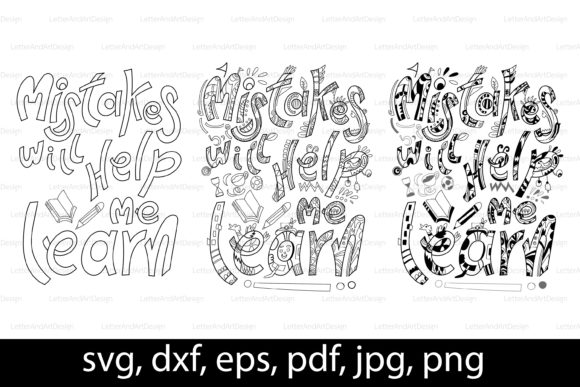
For those interested in art, design, or creative writing, "Mistakes Will Help Me Learn, Handwriting" can be a source of inspiration. Handwritten patterns, sketches, or journal entries often carry a personal touch that digital formats may lack. This authenticity can make the creative process more engaging and fulfilling.
Printable art, such as the downloadable files mentioned in the product description, offers a way to combine creativity with practicality. These high-resolution files can be used for wall art, t-shirts, mugs, or stickers, allowing individuals to express their style while incorporating elements of learning and growth. The ability to print on various surfaces makes it easy to integrate artistic expression into daily life.
Preparing for Long-Term Use and Quality Control
When using "Mistakes Will Help Me Learn, Handwriting" in a long-term context, preparation and quality control are essential. Ensure that your materials—whether physical or digital—are organized and accessible. For digital downloads, keeping files backed up and categorized can prevent loss and streamline future use.
Additionally, consider the compatibility of the files with different platforms and devices. The availability of multiple file types (EPS, PDF, SVG, DXF, JPG, PNG) ensures that users can choose the format that best suits their needs. This flexibility supports a wide range of applications, from personal projects to commercial use.
Conclusion: Embracing Mistakes as Part of the Learning Process
"Mistakes Will Help Me Learn, Handwriting" is more than a phrase—it's a philosophy that encourages resilience, creativity, and continuous improvement. By integrating this mindset into daily routines, workflows, and creative practices, individuals can unlock new levels of productivity and personal growth. Whether through handwritten notes, digital downloads, or collaborative efforts, the journey of learning is enriched by the willingness to embrace mistakes as opportunities for growth.