DIY Hand Embroidery Pattern
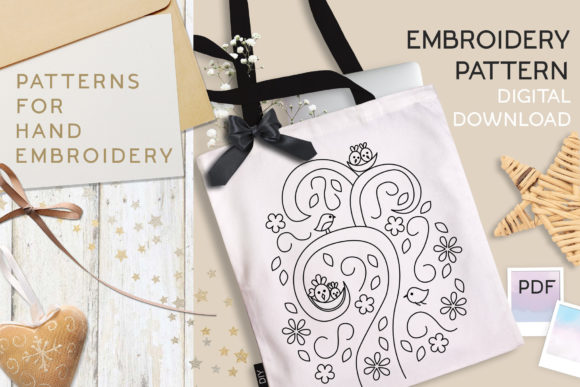
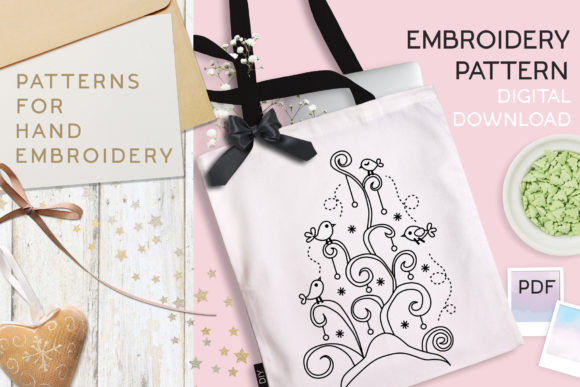
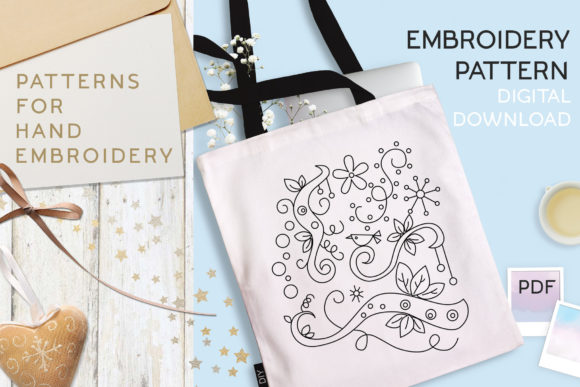
Whether you're a seasoned crafter or just starting out, DIY hand embroidery patterns offer a creative way to add personal touches to your home and wardrobe. These patterns are ideal for anyone looking to bring a touch of artistry to everyday items. The bird and branches design is especially popular, combining whimsical charm with modern simplicity.
The pattern set includes black and white designs, reversed versions for easier transfer, and color guides to help you choose the right threads. All you need is a little time, some basic tools, and a love for handmade crafts.
Real-World Uses for DIY Hand Embroidery Patterns
One of the most appealing aspects of these patterns is their versatility. You can use them to decorate a wide range of items. A tote bag becomes more unique when embroidered with birds and branches, making it both functional and stylish. Similarly, adding embroidery to a book cover can turn an ordinary notebook into a personalized work of art.
Pillowcases and tea towels are also excellent canvases for these patterns. A hand-embroidered tea towel can elevate your kitchen decor while serving a practical purpose. For those who enjoy home decor, framing the design in an embroidery hoop offers a simple way to display your work as wall art.
These patterns aren't just for personal use. They can also be great for gifts. A custom embroidered item makes a thoughtful present for friends and family. Whether it's a pillow for a new home or a decorative piece for a loved one's space, the possibilities are endless.
How to Transfer Your Design to Fabric
Transferring your chosen design to fabric is a key step in the embroidery process. One common method is using a transfer pen. This allows you to draw the pattern directly onto the fabric, making it easy to follow while stitching. Another option is fabric carbon paper, which works well for more detailed designs.
If you prefer a digital approach, printing the pattern and using it as an iron-on transfer is a reliable choice. Simply place the printed image on the fabric and use an iron to transfer the design. This method is particularly useful for larger or more intricate patterns.
Each transfer method has its own advantages. Some people find the transfer pen more intuitive, while others prefer the precision of carbon paper or iron-on transfers. Experimenting with different techniques can help you find what works best for your style and project.
Who Benefits from Using DIY Hand Embroidery Patterns
These patterns appeal to a wide range of individuals. For beginners, they provide a structured way to learn the basics of embroidery without overwhelming complexity. The included color guide helps new crafters choose the right thread colors, making the process more accessible.
Experienced embroiderers may appreciate the design variety and the opportunity to create unique pieces. The bird and branches theme offers a fresh take on traditional embroidery, allowing for creative interpretation. This makes it a valuable resource for those looking to expand their portfolio or experiment with new styles.
Business owners and hobbyists alike can benefit from these patterns. Small businesses that sell handmade goods can use them to create consistent, high-quality products. For personal projects, they offer a way to express creativity and add a personal touch to everyday items.
Considerations Before Starting Your Project
Before diving into your embroidery project, consider the type of fabric you'll be using. Different fabrics require different stitching techniques. Cotton and linen are popular choices for embroidery due to their smooth texture and durability.
Thread selection is another important factor. Choosing the right type of thread can enhance the appearance of your finished piece. Embroidery floss is commonly used, but other options like perle cotton or metallic threads can add unique effects.
Time management is also worth considering. Embroidery can be time-consuming, depending on the size and complexity of the design. Planning your project ahead of time ensures you have enough time to complete it without rushing.
Strengths and Limitations of DIY Hand Embroidery Patterns
One of the biggest strengths of these patterns is their ease of use. They are designed to be user-friendly, even for those with limited experience. The availability of multiple versions—black and white, reversed, and with color guides—makes them adaptable to different needs and preferences.
Another advantage is the ability to customize. While the base design is provided, you can modify it to suit your taste. Adding extra details or changing the color scheme allows for personal expression and creativity.
However, there are some limitations to consider. The patterns are primarily black and white, which means the final look depends on the thread choices. If you're not confident in selecting colors, the color guide can be a helpful tool, but it still requires some decision-making.
Additionally, the level of detail in the pattern may affect the difficulty of the project. More complex designs require more time and skill, so it's important to match the pattern to your current abilities. Starting with simpler designs can build confidence before tackling more intricate work.