Albion’s Brickwork Textures: A Versatile Tool for Creative and Professional Workflows
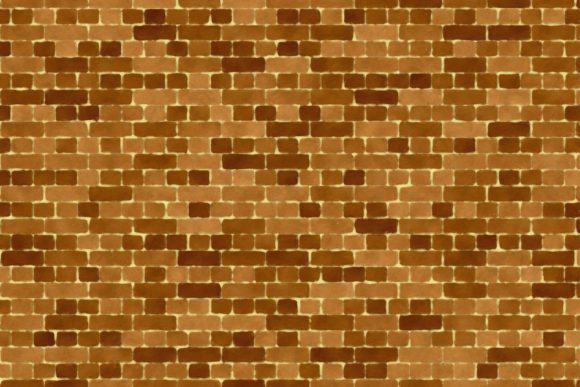
Albion’s Brickwork Textures is a collection of three hand-painted brickwork textures designed to emulate the look of traditional stage backdrops. These high-resolution scans offer a level of detail and authenticity that makes them ideal for a wide range of creative and professional applications. Whether you're working on a poster, wrapping paper, model design, or digital project, these textures provide a rich visual foundation that can elevate your work.
Understanding Albion’s Brickwork Textures in the Broader Process
Albion’s Brickwork Textures fits seamlessly into various stages of a project, from initial concept to final execution. As a pre-production asset, it can inspire design choices and set the tone for a visual theme. During the production phase, it serves as a reliable background or surface element that adds depth and character. In post-production, it can be used to enhance or refine existing visuals, ensuring consistency and quality across all outputs.
The textures are particularly useful in environments where a tactile, handcrafted feel is desired. They bridge the gap between digital and physical media, offering a realistic alternative to generic patterns or stock images. This makes them valuable not only for artists and designers but also for educators, marketers, and small business owners looking to create visually compelling content without the need for complex software or extensive photo shoots.
Practical Use Cases Across Different Fields
One of the most straightforward applications of Albion’s Brickwork Textures is in graphic design. For instance, when creating a poster for an event or a product launch, using a brick texture as a background can add a sense of history, warmth, or industrial flair. The textures are large enough to avoid repetition, making them suitable for both small and large-scale designs.
In the realm of packaging, these textures can transform simple wrapping paper into something unique and memorable. By incorporating a brick pattern, you can create a custom look that stands out on store shelves or in online marketplaces. This is especially beneficial for small businesses or independent creators who want to differentiate their products through thoughtful design choices.
For model builders and hobbyists, Albion’s Brickwork Textures offers a practical solution for adding realistic surfaces to miniature structures. Whether constructing a diorama, a scale model, or a 3D printed scene, the textures can be applied directly to digital models or printed and adhered to physical components. This level of detail can significantly enhance the overall aesthetic and realism of the project.
Integration with Other Tools and Resources
Albion’s Brickwork Textures works well with a variety of design and production tools. It can be imported into graphic design software such as Adobe Photoshop, Illustrator, or Procreate, allowing for easy customization and layering. When combined with other textures, gradients, or color overlays, it becomes a flexible component in a broader design toolkit.
For those working in digital workflows, the textures can be used alongside vector graphics, photo editing, or 3D modeling programs. Their high resolution ensures that they maintain clarity at any size, eliminating the need for scaling or tiling, which can sometimes lead to visible repetition or distortion.
Additionally, these textures can be paired with lighting effects, shadows, or perspective adjustments to simulate real-world conditions. This makes them especially useful for architectural visualization, film set design, or virtual staging projects where authenticity is key.
Workflow Tips and Best Practices
To get the most out of Albion’s Brickwork Textures, consider the following workflow tips:
- Preparation: Before applying the texture, define the purpose of the project and determine how the texture will contribute to the overall visual identity. This helps ensure that the texture complements rather than overwhelms the design.
- Compatibility: Check that the file format and resolution match the requirements of your chosen platform or software. Most design tools support common image formats like PNG or JPEG, but some may require specific settings for optimal performance.
- Organization: Store the textures in a dedicated folder or library to streamline access and reduce clutter. This is especially important if you’re using multiple assets across different projects.
- Efficiency: Use layer masks, blending modes, or opacity adjustments to fine-tune the texture’s appearance. This allows for greater control without altering the original file.
- Quality Control: Always review the final output at full size to ensure that the texture looks natural and consistent. This is crucial for professional or commercial applications where attention to detail matters.
Long-Term Use and Value
Albion’s Brickwork Textures is not just a one-time asset—it can be a long-term addition to your creative or professional toolkit. Its versatility means that it can be reused across multiple projects, saving time and effort in the long run. Additionally, its high-quality resolution ensures that it remains relevant even as design trends evolve.
For professionals who frequently work with textures or backgrounds, having a reliable source like Albion’s Brickwork Textures can streamline the creative process. It reduces the need to search for or create custom textures from scratch, allowing more focus on the core aspects of a project.
Moreover, the hand-painted style of these textures adds a unique character that can differentiate your work from others. This is particularly valuable in competitive markets where originality and craftsmanship are highly regarded.
Conclusion: A Practical Addition to Any Creative Workflow
Albion’s Brickwork Textures is more than just a set of images—it’s a functional tool that supports a wide range of creative and professional activities. From graphic design and packaging to model building and digital art, its applications are as diverse as the users who employ it. By integrating these textures into your workflow, you can enhance the visual appeal of your projects while maintaining efficiency and consistency.